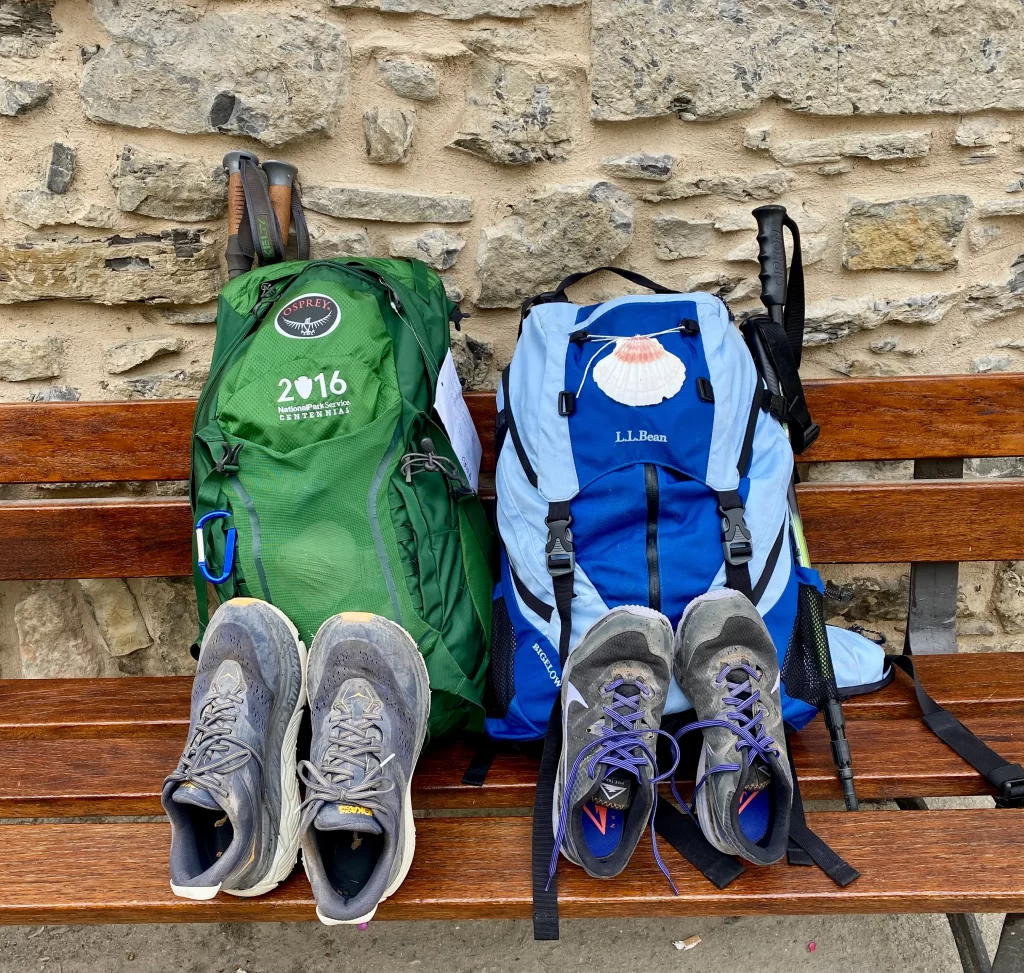
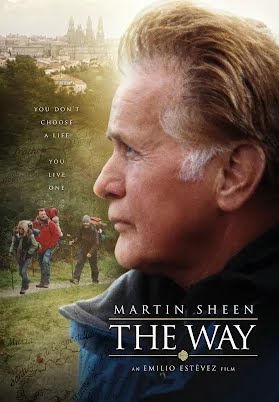
If you have ever wanted to know what all the fuss is about walking the Camino Frances in Spain, then this movie is for you. The photography is gorgeous – truly capturing the beauty of Spain, plus the personalities are real and the friendships are warm.
Have You Ever Had to Head Home Because of Pain?
Don’t let foot or knee pain end your hiking adventures. Discover what the Camino de Santiago taught us about posture, alignment, and staying on the trail.
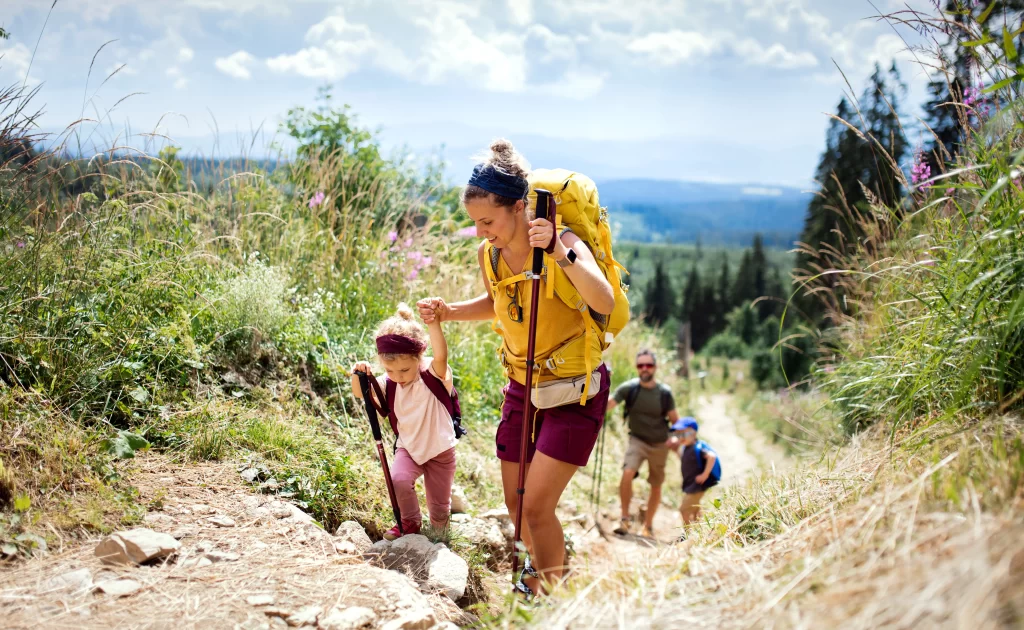
Whether you’re walking the ancient Camino de Santiago across Spain or exploring your favorite trails close to home, hiking has a way of reconnecting us with nature, ourselves, and the simple joy of movement.
But along every trail, there’s another story unfolding.
One of pain.
During our hike on the Camino de Santiago, we met incredible people from all over the world.
Unfortunately, many of them weren’t celebrating reaching their destination.
They were packing their bags and heading home.
Not because they had run out of determination.
Not because they lacked training.
But because their bodies simply hurt too much to continue.
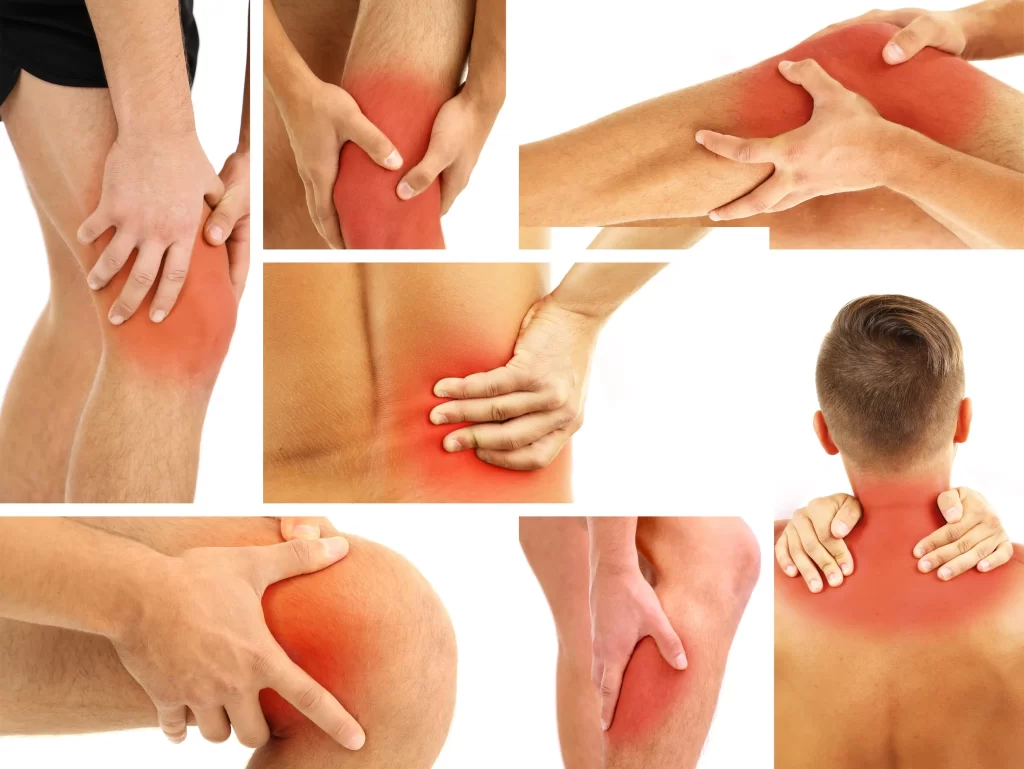
Foot pain.
Knee pain.
Hip pain….
The dream they’d planned for months—or even years—was ending because walking had become unbearable.
Watching this happen was difficult!
As a Posture Alignment Coach, every instinct in me wanted to help. More than once I found myself saying,
“I can help you manage your pain and it could help you continue your hike.” I guess I might think someone was crazy if a stranger told me the same thing!
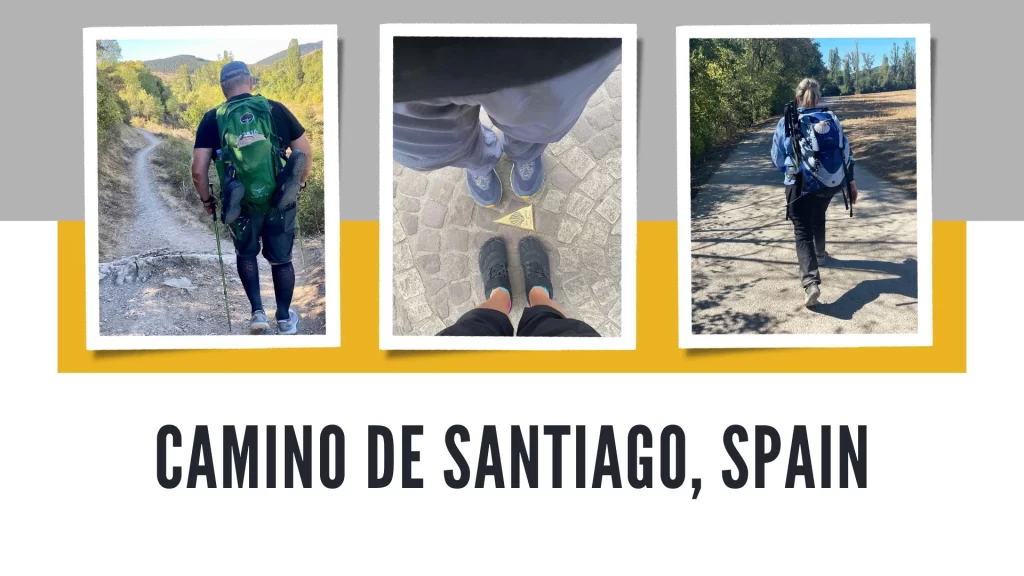
I had my own physical challenges on the Camino.
We had rented bikes as our time was limited and we wanted to experience the whole trail. Little did we know we chose the bike, one of the steepest parts of the trail, on the way to O Cebreiro.
The day ended when I hit a rock on the dirt path and went over the cliff and landed in a briar patch.
We arrived at the hostel and what did I do? The things I’ve learned to realign my body. And we continued and finished the last 50 miles of the Camino.
I later learned I had torn my MCL.
The surprising part?
I didn’t even know it at the time.
Because I had continued using posture alignment and corrective exercise routines, my body kept adapting and recovering enough for me to stay active.
Then, during the Camino, one day toward the end of the day I was having significant foot pain.
Every step hurt.
I wondered, “what did I do to my foot?”. Then, as I imagine it is true of most of us, the mind starts going to the worst case scenario.
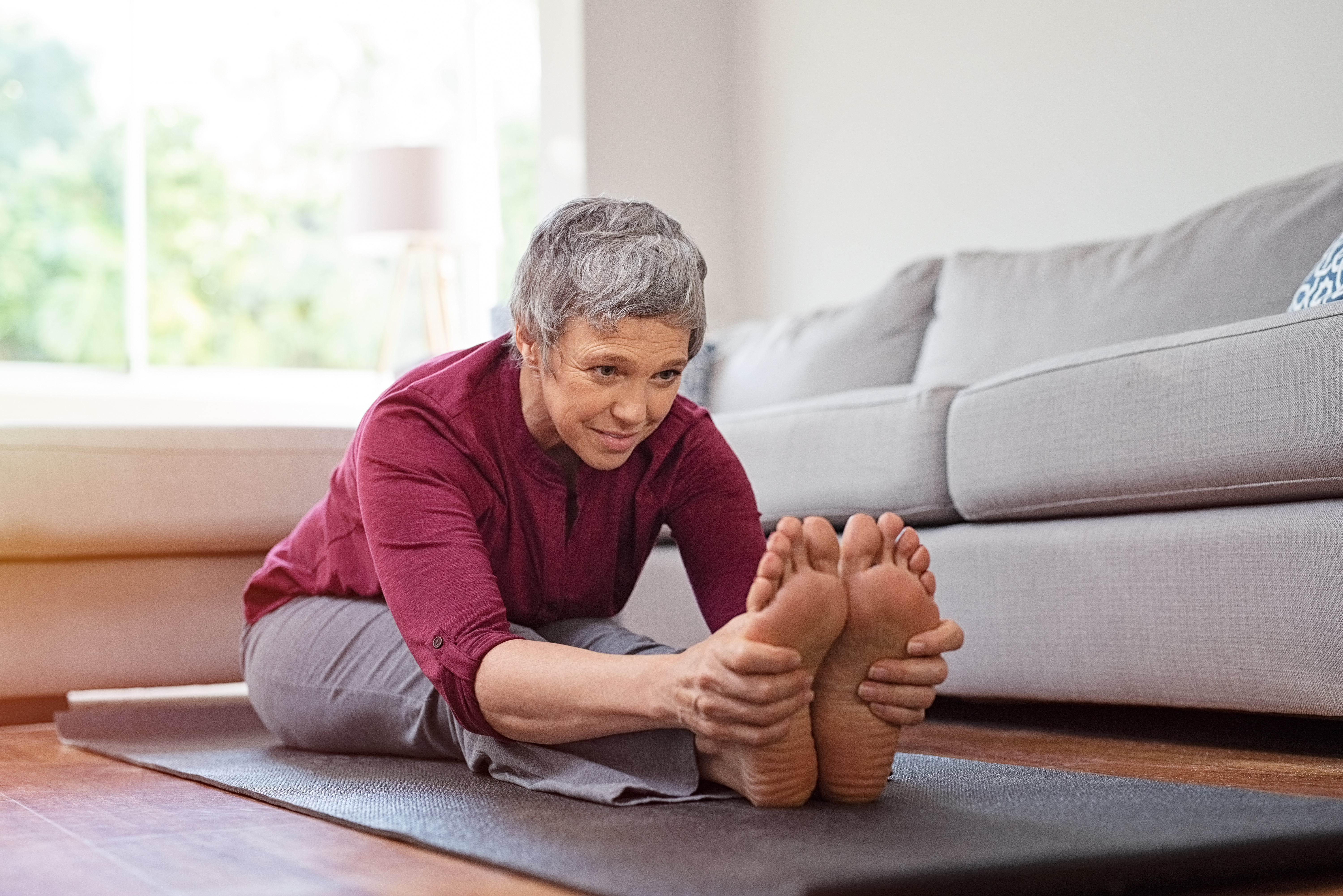
Fortunately, that evening, once we reached our next stop, I spent time doing my posture alignment routines.
The next morning…The pain was gone and I was ready to walk another full day.
That experience reminded me of something I have seen hundreds of times with clients. Usually the painful area isn’t actually the problem.
What If Your Foot Isn’t the Problem?
Many hikers assume:
- “I need better boots.”
- “I need better insoles.”
- “I’m just getting older.”
- “My knees are wearing out.”
Sometimes those things matter. But often the real issue begins much higher up the chain.
When posture changes…the hips compensate.
When hips compensate…the knees absorb more stress.
When knees compensate…the ankles and feet pay the price.
The body is remarkably good at adapting. Until it can’t anymore.
Pain is often your body’s way of saying, “I need you to pay attention.”
The Body Is Wonderfully Designed to Heal
One of the most inspiring things about the human body is its ability to recover.
When we restore better alignment and improve how the body moves, unnecessary stress on joints and muscles can decrease.
That doesn’t mean every injury disappears overnight.
It doesn’t replace appropriate medical care for fractures, infections, or other conditions.
But many everyday aches and movement-related pains improve when the body is given the right mechanical stimulus and movement patterns.
We’ve seen hikers, golfers, pickleball players, runners, and active adults return to doing what they love after addressing how their bodies move—not just where they hurt.
Before You Cancel Your Next Adventure
If you’re preparing for:
- the Camino de Santiago
- Havasupai
- the Grand Canyon
- Rim-to-Rim
- Appalachian Trail sections
- your favorite local hiking trail
don’t wait until pain forces you to stop.
Small alignment changes before pain becomes severe can often make a tremendous difference.
Imagine enjoying the scenery instead of counting painful steps.
Hiking Isn’t Just About Reaching the Summit
It’s about continuing the journey. Our bodies were designed to move. They’re resilient. They’re adaptable. And, given the proper stimulus, they often recover far better than we expect.
Sometimes the difference between finishing the trail… and turning back…isn’t more determination. It’s moving differently.
Ready to Keep Hiking?
At Resilient Align Pain Solutions, we help active adults discover why pain is happening—not simply where it hurts. What Our Client are Saying!
Whether your goal is hiking the Camino de Santiago, exploring beautiful trails, or simply walking your neighborhood without pain, better movement can open the door to more adventures.
Because life is too short to let pain decide where your journey ends.
CALL AND SCHEDULE A FREE CONSULTATION TODAY 480-999-5171
OR VISIT OUR WEBSITE WWW.RESILIENTAPS.COM