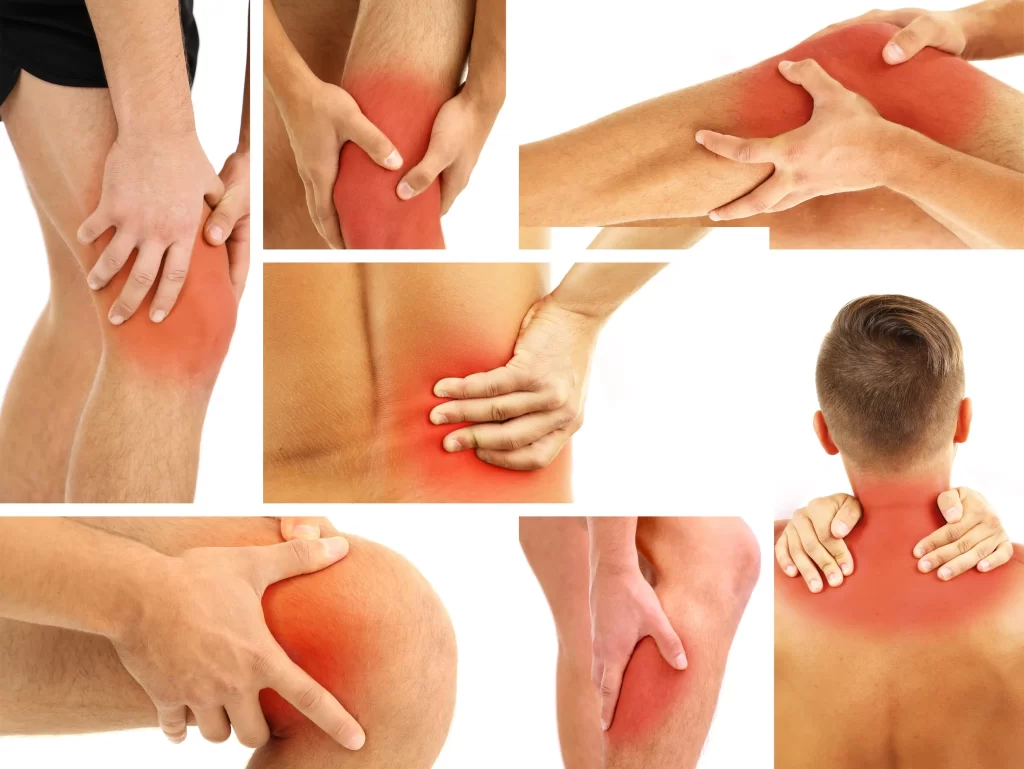
Ever feel like a rusting robot after sitting all day? It may be time to “oil the joints” and get moving. Regular movement is one of the most powerful tools for building resilience, improving posture, and reducing everyday aches and pains.
Whether it’s walking, stretching, strength training, or dancing in your kitchen, movement helps your body function the way it was designed to. In this blog, we’ll explore why movement matters, the best types of movement for long-term health, and how small daily habits can lead to a more pain-free life.
Why Regular Movement Is Essential
Movement is about more than fitness. It directly affects your joints, muscles, circulation, posture, mood, and overall quality of life.
1. Keeps Your Joints Lubricated
Think of your joints like door hinges. Without movement, they become stiff and less efficient. Regular activity helps circulate synovial fluid, which lubricates the joints and supports healthy mobility.
Research published through the National Library of Medicine highlights how physical activity can improve joint function and reduce stiffness, especially as we age.
2. Builds Strength and Flexibility
Muscles are designed to move. When we stay inactive for long periods, muscles weaken and tighten, often leading to poor posture and discomfort.
Daily movement helps:
Maintain muscle tone
Improve flexibility
Support balance and stability
Reduce tension and pain caused by inactivity
Even gentle stretching or short walks throughout the day can make a noticeable difference.
3. Improves Circulation and Energy
Movement increases blood flow, helping deliver oxygen and nutrients throughout the body. Better circulation supports heart health, healing, brain function, and energy levels.
The American Heart Association recommends regular physical activity to improve cardiovascular health and overall wellness.
Types of Movement That Support a Pain-Free Life
Not all exercise has to be intense to be effective. The best movement is often the kind you can do consistently and enjoy.
Walking
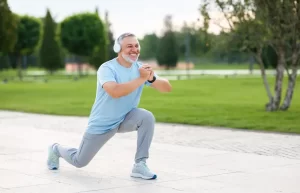
Walking is one of the simplest and most effective forms of movement. It’s low-impact, accessible, and beneficial for posture, circulation, and joint health.
Benefits of walking include:
Improved mobility
Reduced stiffness
Better mood and energy
Increased endurance
Stretching
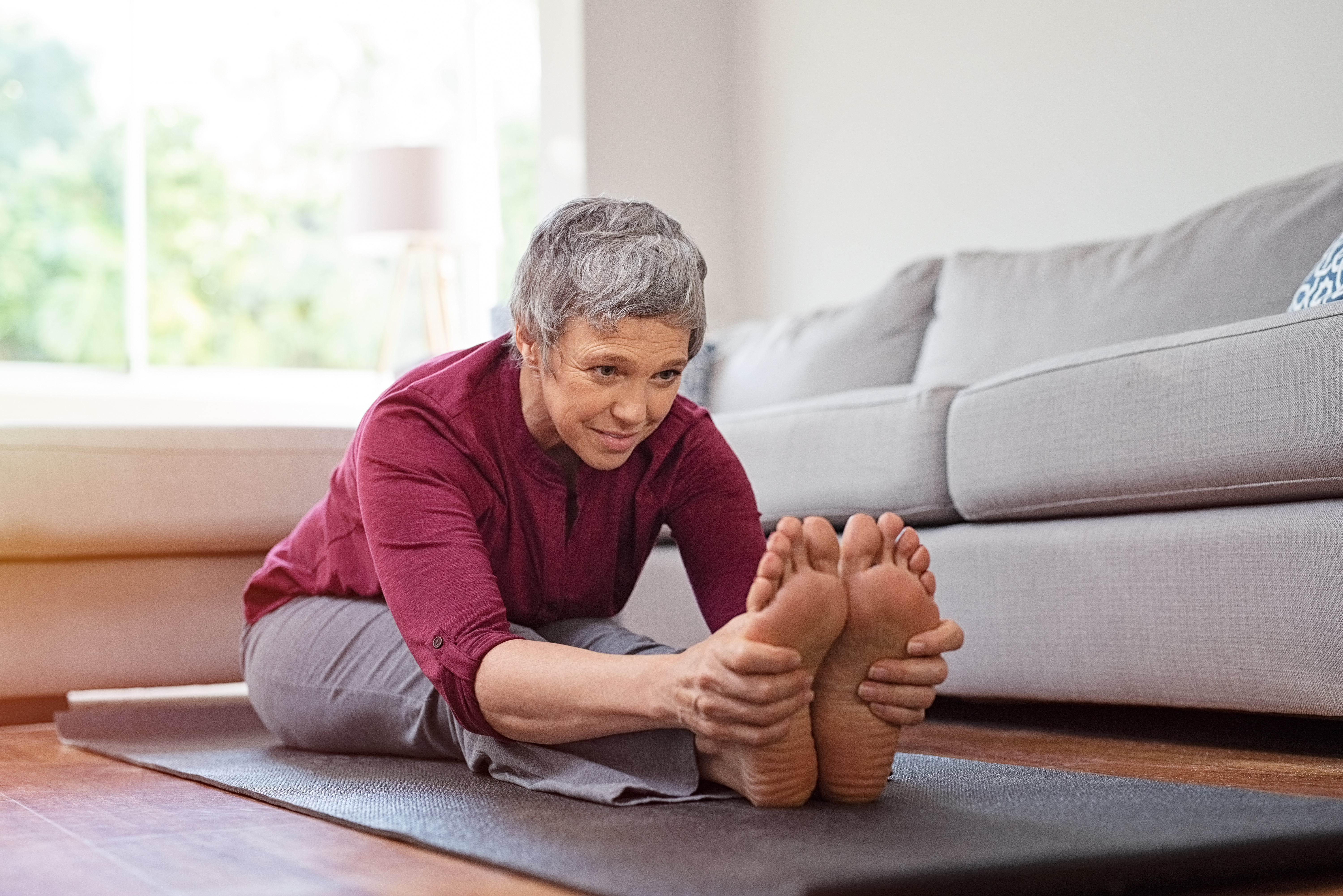
Stretching helps keep muscles and joints mobile while reducing tension built up from sitting and stress. A few minutes of stretching each morning or evening can:
Improve flexibility
Reduce muscle tightness
Enhance posture
Lower injury risk
Strength Training
Strength training isn’t just for athletes. Building muscle supports the spine, protects joints, and improves stability as we age.
According to the Centers for Disease Control and Prevention (CDC) Muscle-strengthening activities are essential for maintaining long-term health and mobility.
Simple options include:
Resistance bands
Bodyweight exercises
Light weights
Functional movement exercises
Aerobic Exercise
Activities like cycling, swimming, hiking, or dancing strengthen the heart and lungs while boosting mood and stamina.
Aerobic exercise has been linked to:
Better cardiovascular health
Increased endurance
Improved sleep
Reduced stress and anxiety
And yes — dancing in your living room absolutely counts.
The Power of Movement
Movement truly can change lives.
Many people assume pain is simply part of aging, but often the body is responding to lack of movement, imbalance, and prolonged stress patterns.
When movement becomes part of your daily lifestyle, the body often responds with:
Less stiffness
Better posture
Increased confidence
More energy
Improved resilience
Small changes practiced consistently can create remarkable results over time.
Read what our clients are saying: GOOGLE REVIEWS
Regular movement is one of the foundations of RESILIENCE and long-term wellness. You don’t need intense workouts or hours in the gym to experience the benefits. Consistent daily movement — even in small amounts — can help improve mobility, reduce pain, and support a healthier, more active life.
At Resilient Align Pain Solutions, we believe movement is medicine. Through posture alignment, mobility work, and personalized movement strategies, we help people restore balance, improve function, and thrive.
Call today and schedule a FREE Discovery Visit 480-999-5171
Ever feel like a rusting robot after sitting all day? It’s time to oil those joints and get moving! Regular movement is your best ally in achieving resilience and living a pain-free life.
Feeling stiff as a board after a long day? You’re not alone! A simple daily mobility routine can work wonders in keeping your body flexible, pain-free, and ready for action. In this blog post, we’ll provide you with an easy-to-follow mobility routine, complete with detailed instructions and video links. Plus, we’ll share a motivational review highlighting the transformative power of a consistent routine. Let’s get moving!
Opening up to a coach or therapist takes courage.
Sharing the details of your life — especially the parts no one sees — requires vulnerability. Yet those invisible aspects of life often play a powerful role in pain, tension, and healing.
At our core, we are not just bodies that hurt. We are whole people — body, mind, soul, and spirit — intricately connected and designed to function as a unified system.
We hear the word arthritis a lot. For many people, it feels like a vague diagnosis — a catch-all for pain when doctors aren’t sure what else to call it. But arthritis is more than just a word. It’s real, it’s painful, and it leaves people wondering: what’s causing my pain, and what can I do about it?