What is Resilience?
In today’s fast-paced world, resilience is more than just a buzzword; it’s a crucial attribute that can significantly impact your overall health and well-being. But what exactly is resilience, and how does it relate to healing chronic pain through postural alignment? Let’s delve into these concepts and explore how embracing resilience can transform your life.
Defining Resilience
Resilience is the ability to adapt to and recover from adversity, stress, and life’s inevitable challenges. It encompasses both mental and physical aspects, enabling individuals to bounce back from setbacks and maintain a positive outlook despite difficulties. In the context of health, resilience is about developing the strength and flexibility needed to overcome physical limitations and chronic conditions
The Importance of Resilience in Healing
For those suffering from chronic pain, resilience is a vital component of the healing process. Chronic pain can be debilitating, affecting every aspect of your life, from work to personal relationships. Building resilience helps you manage pain more effectively and can lead to improved physical function and quality of life. By fostering a resilient mindset, you can better navigate the ups and downs of chronic pain management.
Postural Alignment and Chronic Pain
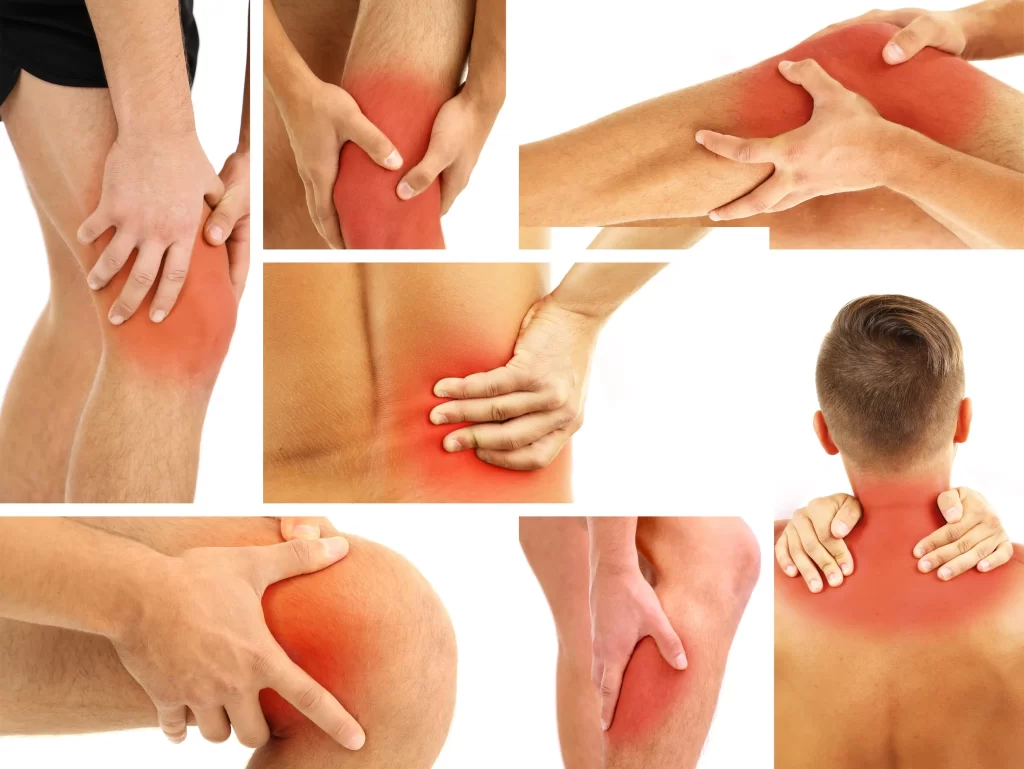
One of the most effective ways to build physical resilience is through proper postural alignment. Poor posture is a common cause of chronic pain, leading to issues such as back pain, neck pain, and headaches. By focusing on postural alignment, you can address the root cause of these problems and promote long-term relief.
How Postural Alignment Helps
1. Reduces Strain on Muscles and Joints: Proper alignment ensures that your body weight is distributed evenly, reducing strain on muscles and joints. This can alleviate pain and prevent further injury.
2. Improves Breathing and Circulation: Good posture opens up your chest and diaphragm, improving breathing and circulation. This can enhance overall health and energy levels.
3. Enhances Mental Well-being: Physical alignment can also impact mental health. When your body is in balance, you’re more likely to feel calm and focused, reducing stress and anxiety.
Real-Life Testimonial
Consider the experience of one of our clients:
“I’ve been working as a dental hygienist for over 20 years and chronic pain was part of my daily life. After seeing my posture therapist, my pain has reduced significantly and my career longevity improved.“
This testimonial highlights how effective postural alignment can be in managing and alleviating chronic pain.
Getting Started with Postural Alignment
To begin your journey toward a pain-free and resilient lifestyle, consider these steps:
1. Assess Your Posture: Start by evaluating your current posture. Stand in front of a mirror and observe the alignment of your head, shoulders, and hips. Are they in a straight line?
2. Incorporate Daily Exercises: Simple exercises such as shoulder rolls, chin tucks, and pelvic tilts can help improve your posture. Consistency is key, so make these exercises part of your daily routine.
3. Seek Professional Guidance: Working with a posture therapist can provide personalized insights and a tailored exercise plan to address your specific needs.
Questions to Consider
1. How has chronic pain affected your daily life and activities?
2. What steps have you already taken to manage your pain?
3. Are you aware of any specific posture-related issues you might have?
4. What are your goals for improving your posture and overall resilience?
5. How committed are you to incorporating daily exercises and making necessary lifestyle changes?
By addressing these questions and taking proactive steps, you can build the resilience needed to overcome chronic pain and achieve a healthier, more balanced life.
Conclusion
Resilience is the cornerstone of a healthy and fulfilling life, especially when dealing with chronic pain. By focusing on postural alignment, you can build the physical and mental resilience necessary to overcome pain and improve your quality of life. Remember, the journey to a pain-free, resilient lifestyle begins with a single step—start today and experience the transformative power of resilience.
—
By emphasizing the value of resilience and the role of postural alignment in healing chronic pain, this blog post aims to provide readers with practical insights and motivation to take control of their health. As you continue through the 30-day program, remember that each day brings you closer to a more resilient and pain-free life.
—
References
1. Southwick, S. M., Bonanno, G. A., Masten, A. S., Panter-Brick, C., & Yehuda, R. (2014). Resilience and mental health: Challenges across the lifespan. *Journal of Clinical Psychiatry*.
2. Holger Cramer,
Share Post:
“RESILIENCE ISN’T WHAT YOU THINK-IT’S BETTER”
We hear the word arthritis a lot. For many people, it feels like a vague diagnosis — a catch-all for pain when doctors aren’t sure what else to call it. But arthritis is more than just a word. It’s real, it’s painful, and it leaves people wondering: what’s causing my pain, and what can I do about it?

"Have you ever wondered why you still feel tired after a full night’s sleep? The answer may not be in your mattress, but ....

Balance is something most of us don’t think about until it begins to slip away.

We’ve all heard the saying, “A chain is only as strong as its weakest link.” It’s a phrase that holds wisdom for both life and the human body. Too often, people rush into strengthening exercises, lifting heavier weights, pushing harder in workouts, or pounding out miles on the pavement, without asking a critical question: Is my foundation straight?

The Strength of Curiosity
The year was 1984, shortly after I had our second child, I noticed a small lump in my neck. At first, I barely thought about it, but my husband grew concerned and asked a friend—who happened to be a doctor—what he thought. After feeling it, he told my husband, “I think you should get this checked out—and the sooner, the better.”
We were part of a large HMO (Health Maintenance Organization), so getting an appointment took time. When I finally saw the doctor, I seemed like a healthy, young woman. They ran the usual tests, and over the course of 9 months, the lump was diagnosed as a simple goiter. But something didn’t sit right. The lump seemed to grow and harden, and I knew my body was sending me signals I couldn’t ignore.