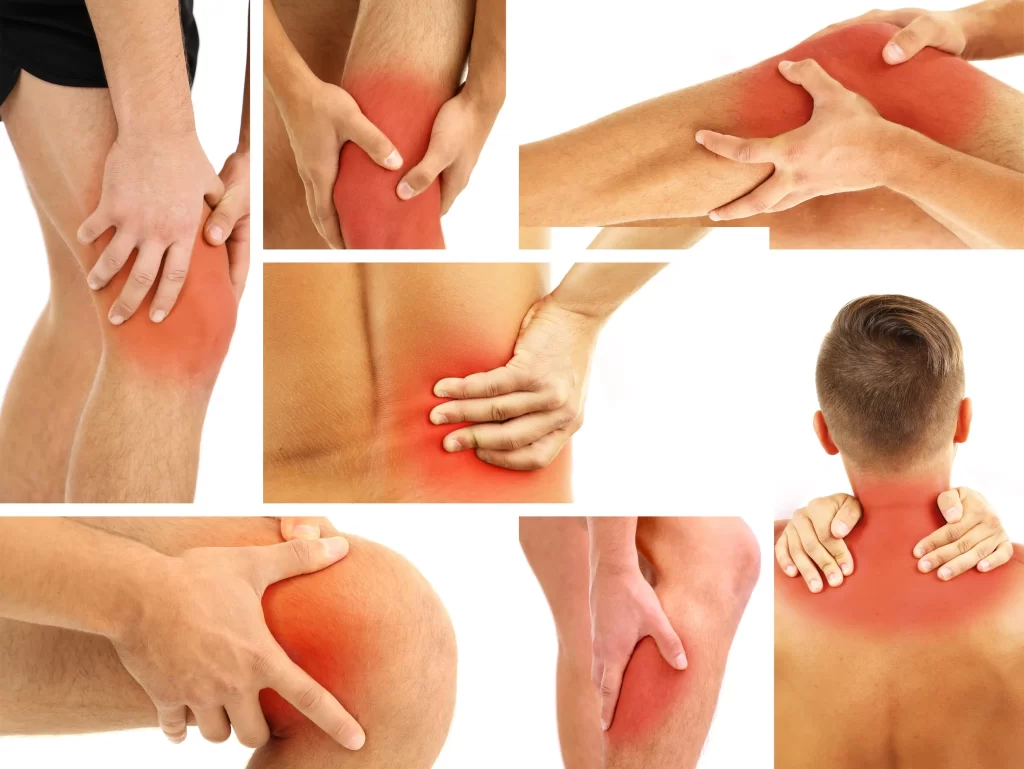

Ever wonder why everyone keeps talking about the trunk, even though it sounds more like a tree term than a fitness goal? Spoiler alert: it’s not just about getting six-pack abs! A strong midsection is crucial for good posture and pain management. In this blog post, we’ll explain the role of your trunk muscles, share essential strengthening exercises, and highlight a review that reinforces the importance of stability. Get ready to build your stability and laugh along the way!
The Role of Your Posture in Pain
Your core muscles, often referred to as the trunk, play a vital role in supporting your spine and maintaining good posture. Here’s why strengthening and balancing these muscles is so important:
1. Supports Your Spine
Your trunk muscles act like a natural corset, supporting your spine and keeping you upright. Think of them as the unsung heroes of your body, working tirelessly behind the scenes to keep everything in place. According to a study in the Journal of Physical Therapy Science, a strong trunk helps reduce the risk of lower back pain and improves overall posture.
2. Enhances Stability
A strong midsection provides stability, allowing you to move with ease and confidence. Whether you’re lifting groceries or running a marathon, your trunk muscles help you stay balanced and coordinated.
3. Reduces Pain
Weak trunk muscles can lead to poor posture and increased strain on your lower back. Strengthening these muscles helps alleviate chronic pain and prevents future injuries. It’s like installing a shock absorber for your spine.
Essential Trunk Strengthening Exercises
Here are some fun and effective exercises to help you build a strong, stable midsection. Follow these detailed instructions.
1. Abdominal Crunches with Block
Instructions:
- Lie on back with legs hipwidth apart, feet flat on a wall, toes pointed toward ceiling and knees bent at 90 degrees
- Place and hold a block or pillow between your knees
- Interlace fingers behind head, pull elbows open and look at ceiling behind you
- Inhale into your belly, and then exhale and contract ab muscles to press your lower back to the floor while lifting your upper shoulders, elbows and head
- Lower back down while inhaling into your belly again
- Do not breathe through your chest
- Lift in a straight up motion, do not curl elbows forward or pull head toward chest
- Repeat for reps without resting (just touch the floor and rise again)
- Rest between sets if needed 2×25
Tip: This exercise focuses on building endurance in your trunk muscles without putting strain on your lower back. Think of it as a gentle wake-up call for your abs.
2. Side Plank
Instructions:
- Lie on side and prop yourself up on elbow
- Elbow should be directly under or just inside of shoulder joint
- Keep forearm straight out, perpendicular to torso
- Legs straight with one on top of other, pull feet back, tighten thighs and lift body off floor so only forearm and side of lower foot are touching the floor
- Lift hips up in order to keep body straight
- Keep top arm resting on side
- Switch sides and repeat
Tip: This exercise targets your oblique muscles, improving lateral trunk stability. Imagine you’re a sturdy bridge, holding up the weight of a thousand imaginary cars.
3. Hand Leg Opposite Lifts
Instructions:
- Start on hands and knees (body should be square like a box), with feet trailing straight behind
- Lift one arm straight forward and lift opposite leg straight back behind you
- Hold for time shown
- Keep elbow and knee straight and do NOT allow body to rotate
- Keep arm and leg up high, and make sure thigh stays tight (knee extended) so that glute (buttocks) contracts, and that elbow also stays straight
- Weight should be evenly distributed between down hand and down knee
- Alternate back and forth with opposite side
- Alternate between left and right sides counting each side as 1 for the amount of reps listed, pause and repeat for as many sets are listed
- Hold for 10 seconds, then return to the starting position.
- Repeat with the opposite arm and leg. 5-10 reps on each side
Tip: This exercise improves stability and balance. Picture yourself as a majestic hunting dog pointing out your next prey—only in this case, it’s better posture.
A strong stable posture can lead to significant improvements in mobility. READ OUR REVIEWS from satisfied clients.
Learn how tailored exercises can transform your posture and alleviate pain. Even a few targeted movements can make an enormous difference.
Take Action
Building a strong and functional body is essential for good posture and pain management. By incorporating exercises like Abdominal Crunches, Side Plank, and Hand Leg Opposite Lifts into your routine, you can support your spine, enhance stability, and reduce pain if done correctly. Remember, even a few motions daily can lead to significant improvements. If you’re looking for personalized guidance on improving functional stability, Resilient Align Pain Solutions offers tailored programs to help you achieve your goals. Start your journey to a pain-free life today and laugh your way to better health! CONTACT US TODAY!