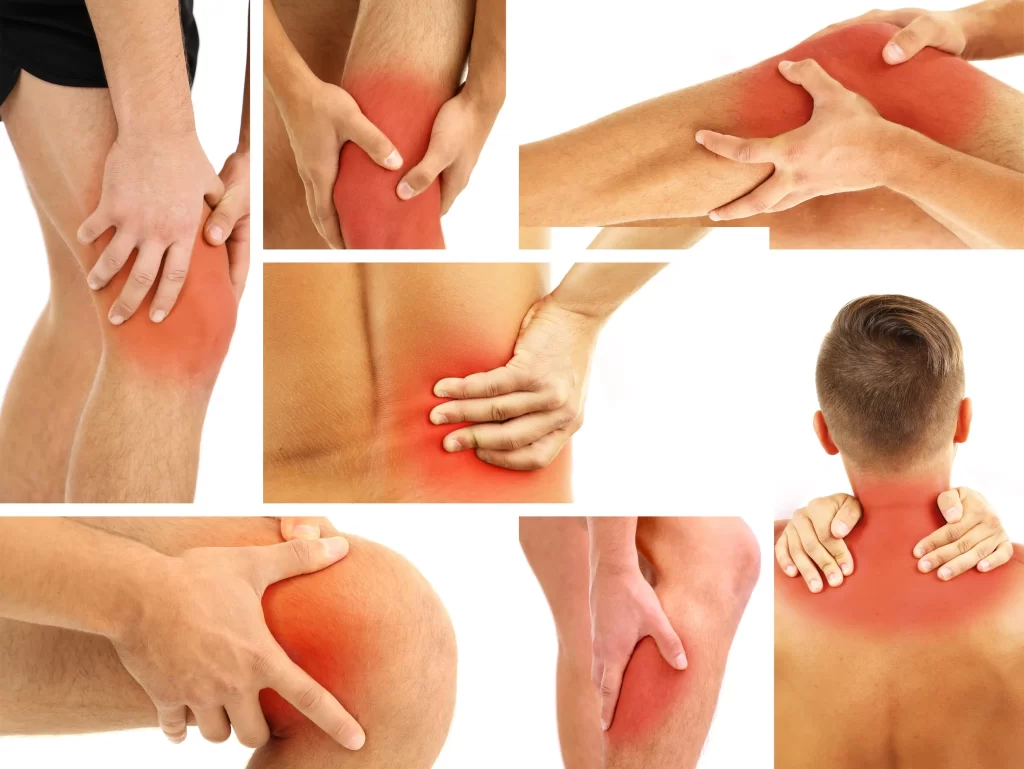

In today’s fast-paced, media-saturated world, we are constantly bombarded with health and fitness advice. Open your browser or scroll your phone and you’ll likely see headlines like:
- “The 5 Best Stretches for Lower Back Pain”
- “3 Essential Yoga Poses for Better Balance”
- “10 Popular Gym Exercises That Are a Total Waste of Time”
If we tried to follow all of this advice, we’d quickly feel overwhelmed, confused, and unsure where to begin—especially when we’re already in pain and searching for relief.
One common question we hear at Resilient Align Pain Solutions is:
“To heal my pain, do I need to stretch my muscles or strengthen them?”
It’s an important question—and it can feel like a major fork in the road. Let’s explore both sides so you can better understand what your body truly needs to heal.
What Is Stretching—Really?
Stretching involves movements or positions that lengthen muscle tissue to improve flexibility, joint mobility, and muscle elasticity. After effective stretching, you should notice:
- Easier, freer movement
- Less stiffness or restriction
- Reduced muscle tension or discomfort
Stretching plays a vital role in a healthy body because it frees the body for natural movement. Muscles are designed to lengthen and shorten as we move through daily life. Unfortunately, modern sedentary habits—long hours of sitting, driving, and screen time—cause many muscles to become shortened and tight.
When tight muscles restrict movement, they often overload joints and connective tissue, leading to inflammation, strain, and injury. This is why regular stretching is so important for pain relief, posture, and overall mobility.
Benefits of Stretching
Consistent stretching provides many physical benefits, including:
- Increased flexibility
- Reduced risk of injury
- Decreased joint stress
- Reduced muscle soreness
- Improved posture
- Enhanced athletic performance
Stretching is also linked to broader health benefits such as:
- Reduced stress
- Improved circulation
- Better sleep quality
- Elevated mood
Clearly, stretching should be a consistent part of your weekly movement routine.
For more information, see the Mayo Clinic’s overview of stretching benefits:
👉 https://www.mayoclinic.org/healthy-lifestyle/fitness/in-depth/stretching/art-20047931
What Does It Mean to Strengthen Muscles?
Every muscle in your body has a job—and simply put, muscles move you. Every voluntary and involuntary movement is controlled by muscular action.
Strengthening muscles means increasing their ability to perform their intended movement when faced with resistance. When you hike uphill, lift weights, or push your body physically, you create microscopic tears in muscle fibers. Your body responds by repairing and rebuilding that tissue stronger than before.
This process explains:
- Post-workout soreness
- Increased strength over time
- Improved physical resilience
Strong muscles don’t just help you lift heavier objects. They also improve:
- Movement efficiency
- Posture and alignment
- Balance and joint stability
Without adequate muscle strength, people are more prone to joint pain, injuries, balance issues, metabolic problems, and chronic health conditions.
Benefits of Strengthening
Strength training offers numerous benefits, including:
- Improved balance
- Increased bone density
- Reduced joint stress
- Increased joint stability
- Improved posture
- Enhanced athletic performance
Additional health benefits include:
- Improved metabolism
- Better heart health and circulation
- Blood sugar regulation
- Enhanced brain function
- Improved mental health
Because of these benefits, strength training should be part of every person’s weekly routine.
Learn more here:
👉 https://www.pennmedicine.org/news/strength-training-is-key-to-physical-and-mental-health
👉 https://www.brownhealth.org/be-well/strength-training-and-why-its-good-you
Stretching vs Strengthening for Pain Relief: Which Do You Need?
So let’s return to the big question:
“To fix my pain, do I need to stretch or strengthen?”
In most cases, the honest answer is both.
Chronic musculoskeletal pain is rarely caused by muscles being only “too tight” or “too weak.” Instead, pain is usually driven by postural misalignments and muscular imbalances—where some muscles are tight and others are weak.
A Common Example: Lower Back Pain
Imagine a client with left-sided lower back pain. A posture assessment reveals:
- The left side of the pelvis is tipped forward (anterior tilt)
- The left quadriceps muscle is tight and shortened
- The left hamstring is weak and overstretched
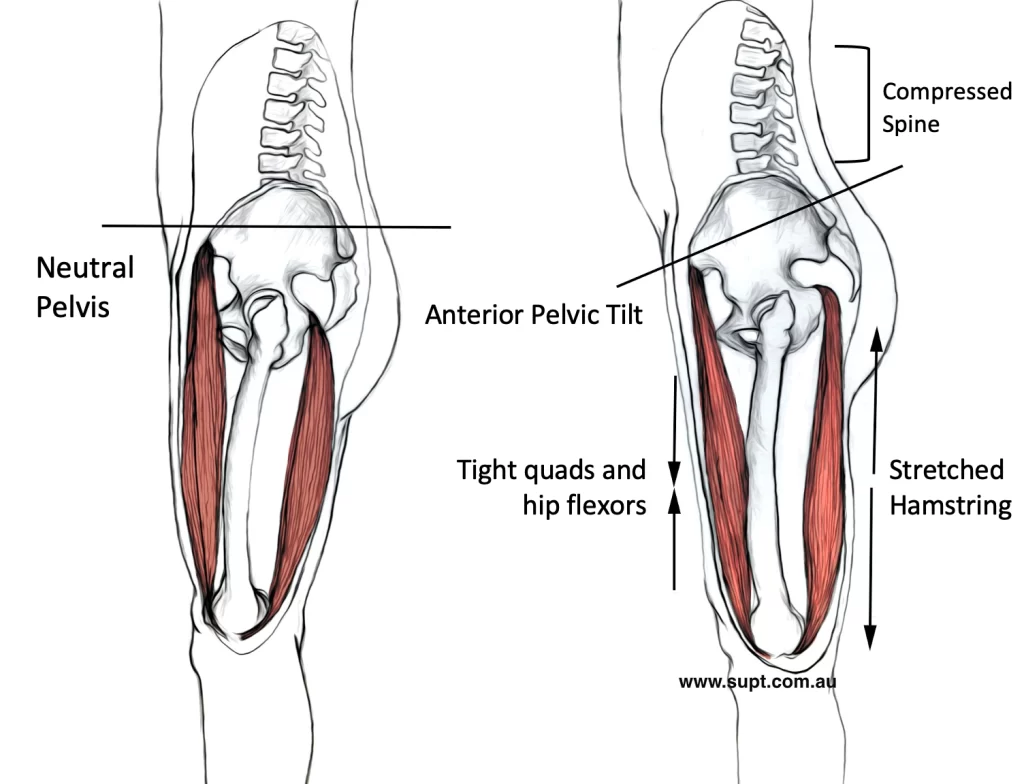
The tight quad pulls the pelvis forward, while the weak hamstring cannot counterbalance it. This imbalance places stress on the lower back, leading to pain.
In this situation:
- Stretching alone won’t fix the issue
- Strengthening alone won’t fix it either
To achieve lasting relief, the tight muscle must be released and the weak muscle must be strengthened. Addressing only one side often leads to temporary relief followed by recurring pain.
Our Approach at Resilient Align Pain Solutions
At Resilient Align Pain Solutions, our focus is restoring postural balance and alignment. We use a customized combination of stretching and strengthening exercises based on each individual’s:
- Body structure
- Injury history
- Limitations and capabilities
- Personal goals
Some clients need more emphasis on releasing tight muscles, while others need more strengthening for stability and support. The key principle is simple:
A healthy body is a balanced body.
Strength and flexibility alone are not enough. True healing comes from restoring postural symmetry and functional movement.
So…Where Do I Start?
A great first step is awareness.
Ask yourself:
- Is one shoulder stronger than the other?
- Is one hip tighter than the other?
- Do I always feel pain on the same side of my body?
These imbalances may not hurt directly, but they often create a chain reaction of compensation that leads to pain elsewhere.
Once identified:
- Strengthen the weaker side
- Stretch the tighter side
- Pay attention to changes over time
As your body becomes more balanced, movement improves—and pain often decreases.
Some imbalances, however, are difficult to identify on your own. The body is complex, and muscles can compensate in subtle ways. This is where professional posture assessment makes a difference.
Our experienced posture coaches specialize in identifying these hidden imbalances and creating customized exercise plans to correct the root cause—not just the symptoms—of pain.
Ready to Heal the Root Cause of Your Pain?
If you’re tired of living with misalignments, chronic pain, and physical limitations, we’re here to help.
📞 Call: 480-999-5171
📧 Email: hello@resilientaps.com Schedule your complimentary consultation today, click here and take the first step toward a stronger, more balanced, pain-free body.