Getting to the Root Cause with Resilient Align Pain Solutions
At Resilient Align Pain Solutions, we often remind our clients:
“The site of your pain is rarely the source of your problem.”
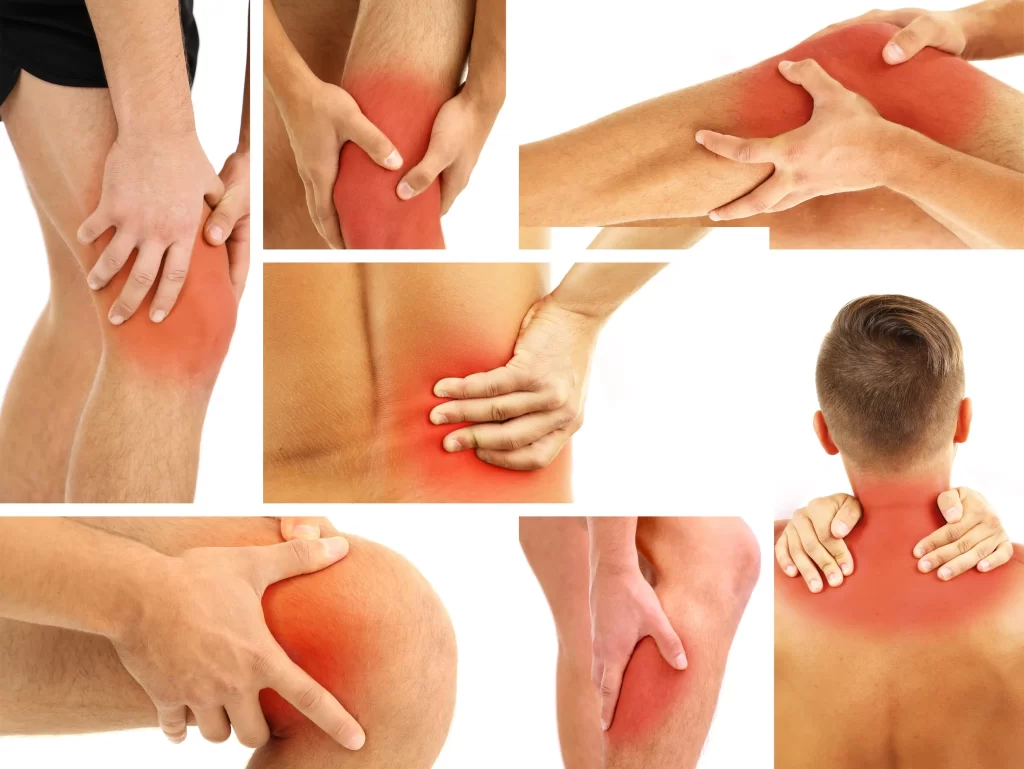
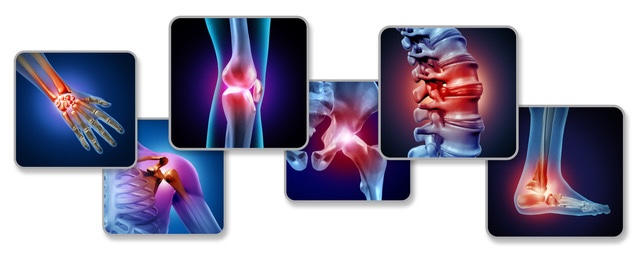
Pain is your body’s way of getting your attention—a signal, not a diagnosis. Like a warning light on your dashboard, pain tells you something is off, but it doesn’t always tell you where or why. At Resilient, our job is to trace your pain problem to its root cause. That often means looking far from where the discomfort shows up in your body.
The Body Is Designed for Balance
Our approach starts with a few fundamental beliefs: the body is interconnected, intelligent, and built for alignment. It possesses a wonderful design that enables an incredibly diverse array of movements and activities. But as they say, life happens. Injuries, repetitive patterns, long hours of sitting, and poor posture throw your body’s structure out of balance and cause patterns of compensation. These compensations aren’t just “bad habits”, they’re your body’s way of coping with underlying dysfunction.
What’s the effect of these coping strategies? That’s where chronic pain often begins.
Example 1: When Back Pain Isn’t a Back Problem
A client comes in with persistent lower back pain. They’ve tried massages, stretches, even injections but nothing lasts. When we assess their posture and movement, we find the hips and pelvis are the real issue.
When your hips are tight, weak, or misaligned, the back has to pick up the slack. That extra work leads to tension, fatigue, and eventually pain. If we only treat the back, it’s like turning off the smoke alarm and ignoring the fire in the other room.
Example 2: Knee Pain That Starts at the Hips (or Feet)
Knees are often caught in the crossfire. They’re hinge joints, designed to move backward and forward, not twist, bow, or compensate. But poor hip stability or collapsed foot arches force the knees to move in ways they shouldn’t.
Instead of bracing or icing the knees, we restore strength and function to the hips, glutes, and feet. Once the root dysfunction is addressed, the pain often fades.
Example 3: When the Upper Body Does the Work of the Lower Body
We’ve seen clients who swing their arms dramatically just to walk. Why? Their pelvis—the base of the body—isn’t doing its job. From years of sitting, injuries, or poor core engagement, they’ve unknowingly trained the upper body to compensate for a weak pelvis.
The result? Movement feels harder, less stable, and more draining. Fixing the pelvis re-centers the body and allows movement to become more efficient.
Real Alignment, Real Solutions
At Resilient Align Pain Solutions, we don’t chase pain. We restore balance to your body.
Using gentle, targeted exercises, we help your body remember how it was designed to move.
To the surprise of many of our clients, this means focusing on areas that don’t hurt but are responsible for the breakdowns elsewhere.
As we improve the alignment and function of the body, pain often resolves on its own. When you want your smoke alarm to stop beeping, it’s a good idea to put out the fire first.
Resilience Is a Whole-Body, Whole-Person Process
Healing starts when we stop asking “Where does it hurt?” and start asking “Why is it hurting?”
We help our clients become active participants in their healing by addressing the root causes of pain.
If you’re tired of chasing pain, and ready to build lasting resilience, we’re here to walk with you every step of the way.
⸻
Takeaways
- Pain is a signal, not the problem itself.
- Compensation patterns—caused by misalignment—are often the root issue.
- Real healing comes from restoring whole-body balance.
We treat causes, not symptoms CONTACT US HERE for a FREE No Obligation Consultation. Let us help you address the root cause of your pain problem.