And why orthotics often help at first… but fail over time
Most people who come to us aren’t looking to “improve foot health.”
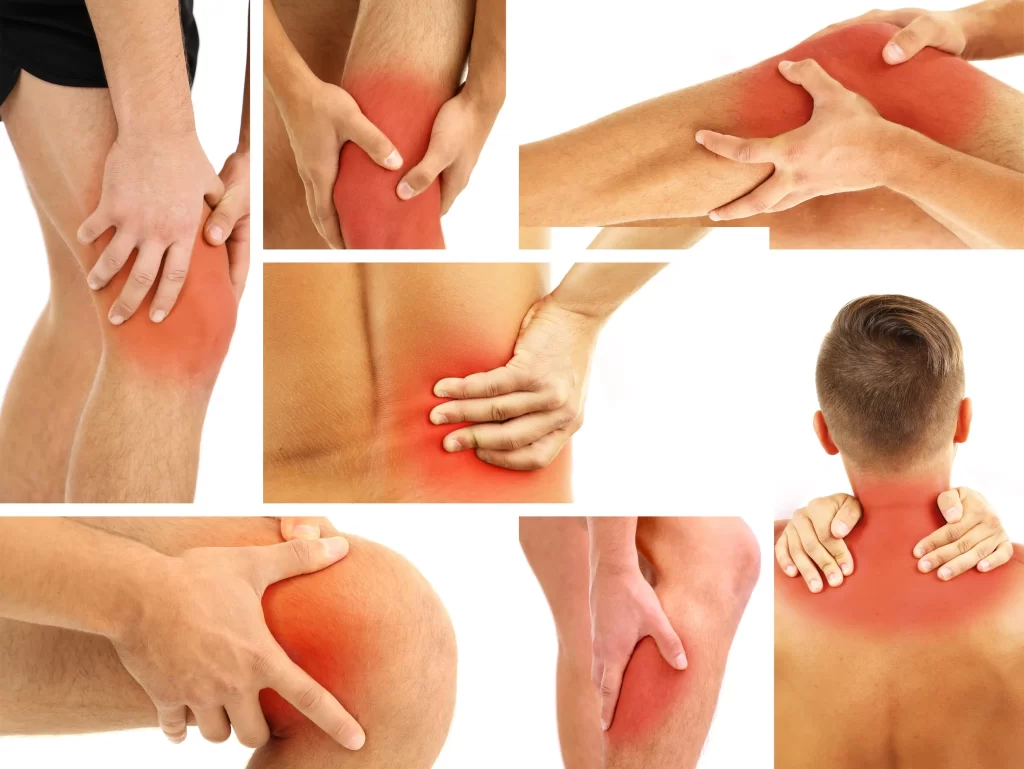
They’re dealing with symptoms that disrupt real life:
- Heel pain getting out of bed
- Arch pain that worsens with standing or walking
- Tight calves that never loosen up
- Balance that feels unpredictable
- A knee or hip that “acts up” for no clear reason
The natural conclusion is:
“If my foot hurts, something must be wrong with my foot.”
So the search begins: stability shoes, arch supports, orthotics, cushioned insoles.
And while these may feel good for a while, the relief rarely lasts.
Here’s why:
Most foot pain isn’t caused by the foot itself.
It’s caused by the way your body is aligned above the foot.
What You Feel vs. What’s Actually Happening
What you feel:
- Sharp heel pain
- Burning or aching arches
- Toe tension or imbalance
- Pain from standing too long
- Pain during walking or exercise
What’s actually happening:
- One hip sits higher than the other
- The pelvis is rotated forward or backward
- Knees collapse inward during weight-bearing
- Weight loads more on one side than the other
- The big toe isn’t positioned to drive gait
- The arch collapses because something up the chain is off
This is why so many people spend years treating foot symptoms…
while the real cause goes untouched.
Try This: A 30-Second Test to Discover if Your Foot Pain Is Actually an Alignment Problem
1. Stand barefoot with feet hip-width apart.
Look down at your toes.
2. Press your big toes gently into the ground (not curling).
3. Bend your knees 1–2 inches.
Stay relaxed.
Now observe:
A. Do your knees collapse inward?
→ Points to a hip/pelvis alignment issue.
B. Does one arch drop more than the other?
→ Indicates uneven pelvic load.
C. Does one side feel more stable or balanced?
→ Suggests a gait compensation pattern.
If you noticed any of these, your pain is likely not a foot-only issue.
Try This 30-Second Reset (Feel an Immediate Change)
- Stand tall at the wall heels as close as you are comfortable
- Interlace fingers behind your head
- Pull elbows gently back
- Hold 30 seconds
- Retest the 30-second foot test above
Most people notice:
- Arches lift slightly
- Knees track more naturally
- Weight feels more evenly distributed
- Big toe loads more fully
This tiny posture change affects the entire chain.
Which proves:
Correct the alignment → the foot begins to work correctly.
Why Orthotics Only Help Short-Term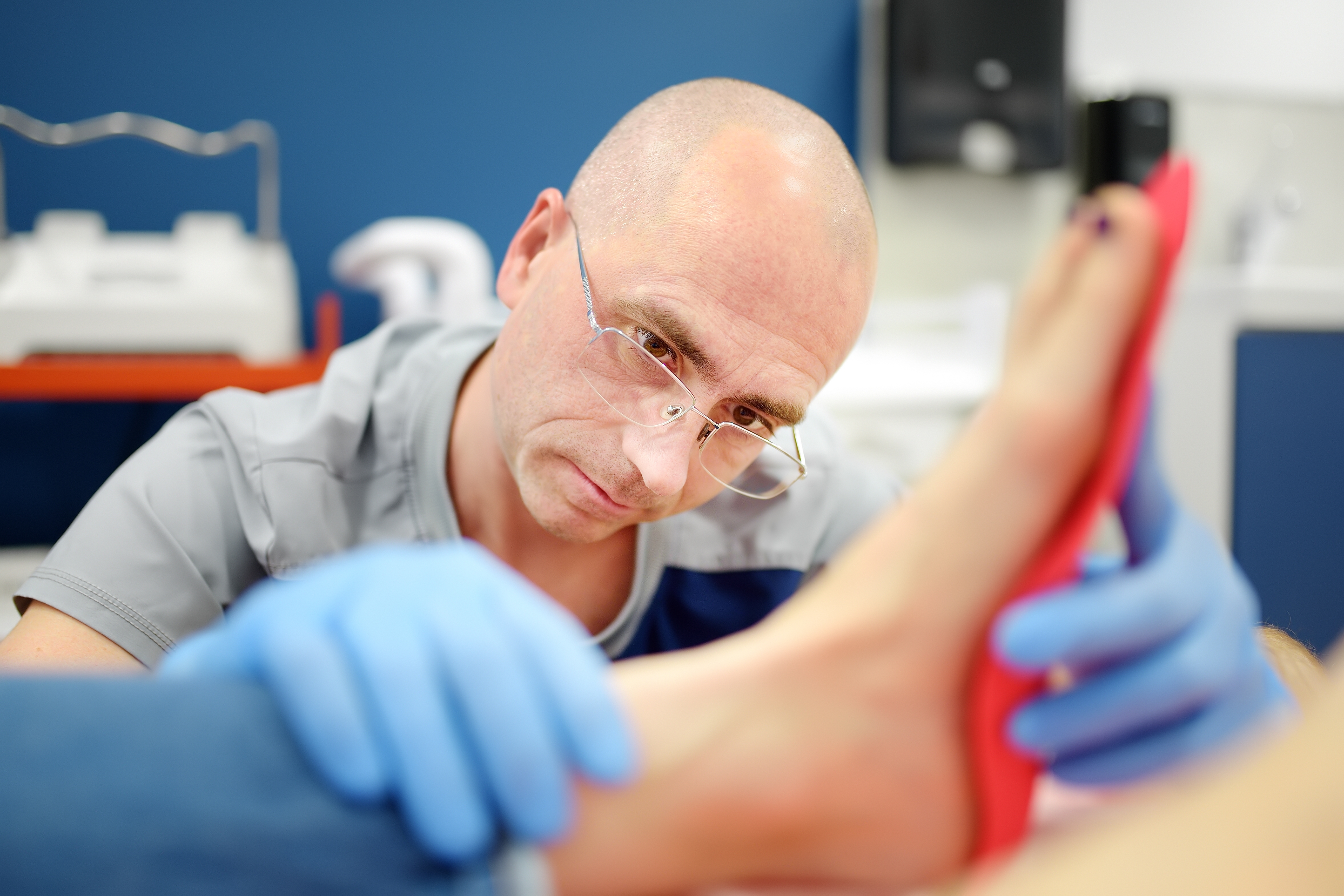
Orthotics feel good because they redistribute pressure.
But they don’t change the reason pressure is wrong in the first place.
Long-term limitations of orthotics:
- Restrict natural foot motion
- Weaken intrinsic foot muscles
- Reduce balance-related feedback
- Create over-reliance on support
- Shift stress upward into the knees, hips, and low back
Many clients tell us:
“My orthotics felt amazing for 3–6 months…
and then everything started hurting again.”
That’s the compensation cycle.
Why Minimal Shoes Can Help — But Only If Alignment Comes First
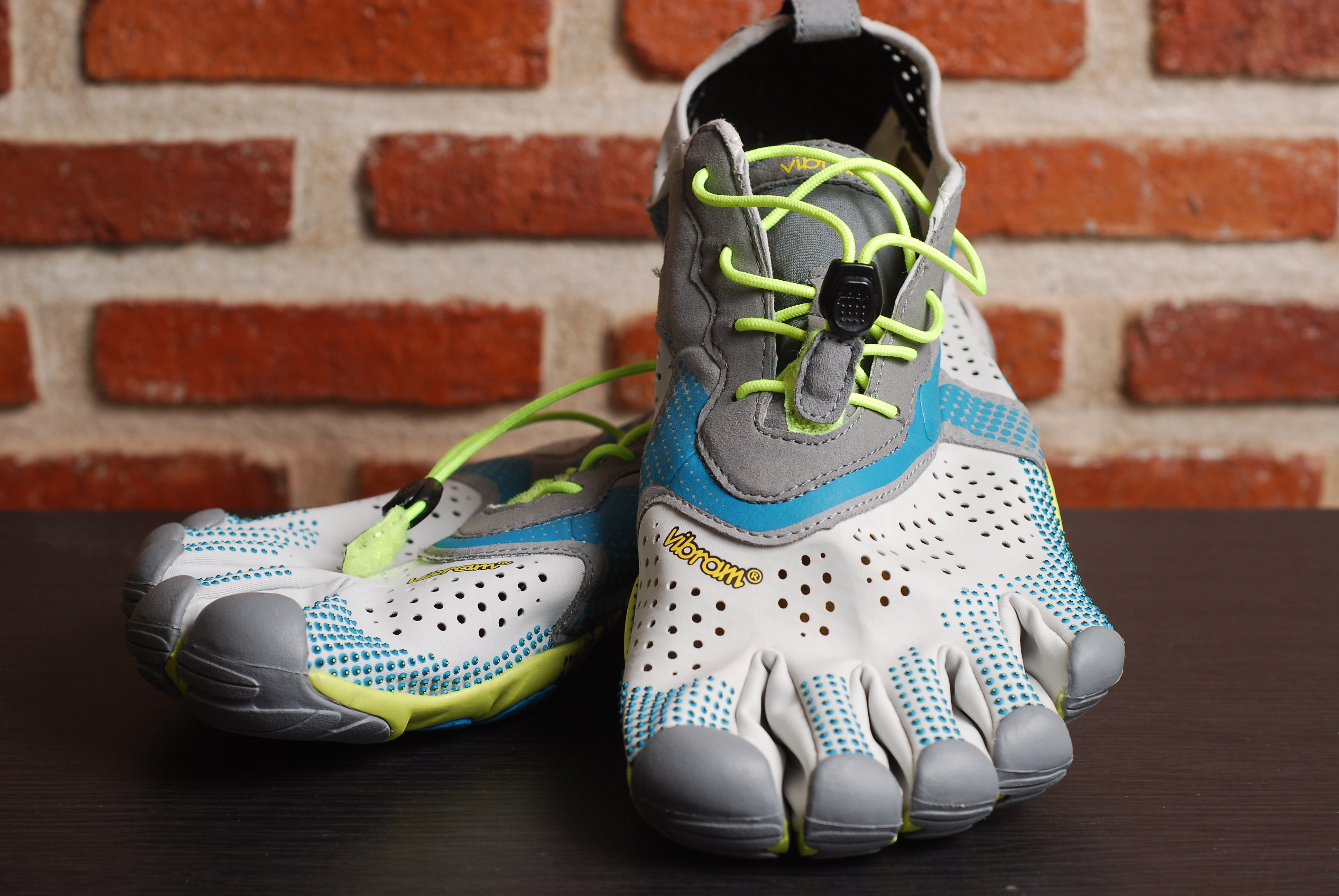
Minimal shoes remove the external bracing of stiff footwear.
They allow your foot to move, adapt, and strengthen.
Benefits include:
- More toe mobility
- Better balance feedback
- Stronger foot muscles
- More natural gait mechanics
- Healthier hip and pelvic alignment
But here’s the critical point:
Minimal shoes alone don’t fix foot pain.
They simply allow the foot to function the way alignment prepares it to.
Alignment first → minimal shoes support the process.
Functional Alignment + Natural Foot Movement = Lasting Relief
Your body is one connected system.
When alignment improves:
- Hips rotate correctly
- Pelvis balances
- Knees track as designed
- Arches rebuild
- The big toe becomes the primary propulsion lever again
This is why so many clients say:
“I didn’t realize fixing my posture would help my feet this much.”
Because the foot doesn’t operate in isolation.
It’s part of a system.
A Safe Way to Transition Into Minimal Shoes
Switching too fast can make things worse.
Start slow:
- Wear minimal shoes for short errands
- Build up gradually
- Expect your feet to fatigue at first
When I transitioned into Vibram FiveFingers 21 years ago, my feet tired quickly.
But over time, they adapted beautifully.
I eventually hiked the Grand Canyon in minimal shoes — without orthotics.
Slow, steady progression works.
Ready to Understand What’s Really Causing Your Foot Pain?
If you’re wondering whether your pain is coming from your foot, your alignment, or your gait pattern, we’d love to help.
👉Click here to schedule a free Posture & Gait Analysis.
Let’s uncover the root cause — and build lasting change from the ground up.