“Most people take 20,000 breaths a day without realizing poor posture might be making every breath harder. Discover how to breathe smarter, feel better, and restore alignment.”How you breathe truly matters—especially if you’re active or dealing with pain.
If you’re not aware of your breathing—or how your posture affects your breathing —you may eventually face immobility, discomfort, or other health issues.
Time to Breathe Smarter, Not Harder
Diaphragmatic breathing, also known as east-west breathing, relies on using your diaphragm properly. When your body is aligned, this kind of breathing becomes easier and more natural. And when your breathing improves, so does your endurance, strength, and recovery.
However, if your posture alignment is off, your breathing can suffer. Misalignment in your bones, joints, or muscles can interrupt the gentle movements your body relies on to take a full breath. Over time, these small inefficiencies add up—especially during exercise or the activities you love to do.
Diaphragmatic breathing is something we’re born with—but many of us lose it over time due to bad posture, stress, or injury.
Your joints do more than move—they send signals to the brain. If your spine and head are out of alignment, your body can’t function as efficiently. That includes your breathing.
One of the best breathing techniques to restore proper function is called East-West Breathing.
What Is East-West Breathing?
With East-West Breathing, your lower ribs and back expand outward, like an inner tube, when you inhale. Here’s a quick self-test:
- Place your thumbs on your lower back (just above the kidneys).
- At the same time place your index fingers on the sides of your lower ribs.
- Take a deep breath.
If your thumbs and fingers move outward, you’re doing it right. But if your chest lifts up instead (what we call North-South breathing), your diaphragm is not doing its job. Instead, your body is using compensation patterns, which will only cause tension and inefficiency.
Why This Matters—A Lot
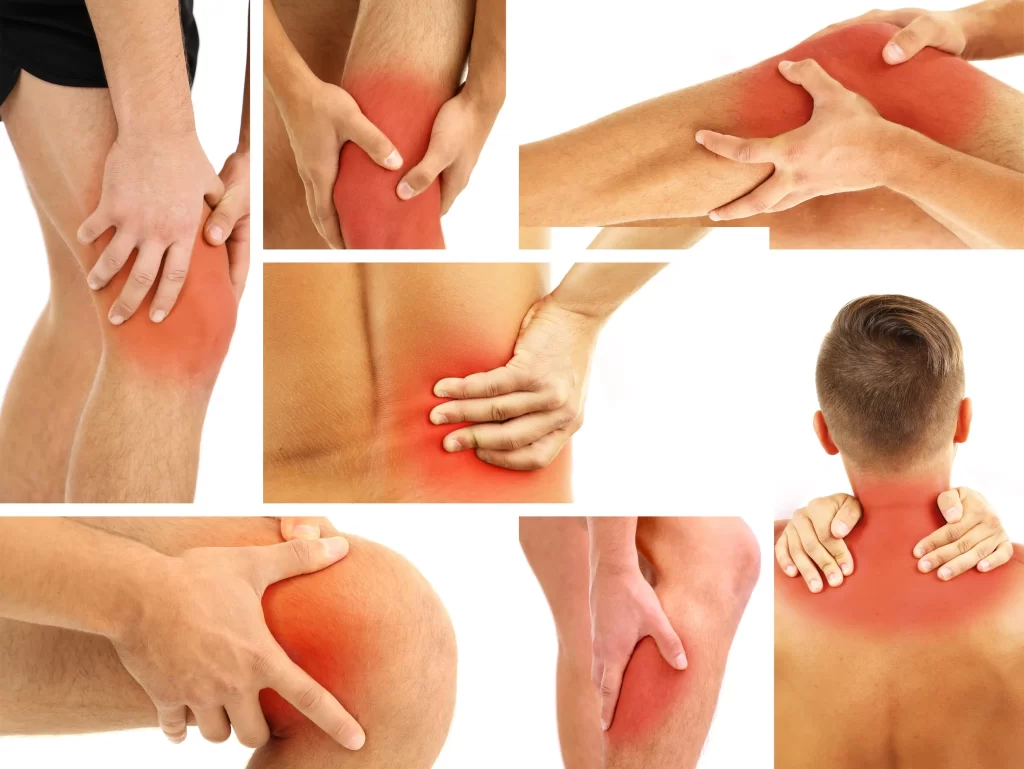
If you’re not using your diaphragm to stabilize your body, every movement you make is less effective. You’ll also create tension in places like your:
- Spine (neck, back, lower back)
- Jaw (TMJ area)
- Rib cage
- Shoulders
That’s a lot of stress just from breathing the wrong way—especially if you’re doing it 20,000 times a day.
How Proper Breathing Improves Everything
When your diaphragm moves downward as you inhale, it:
- Activates your abdominal organs (great for digestion and circulation)
- Increases lung volume and oxygen flow
- Decreases fatigue
- Improves recovery
Think of your torso like a cylinder. Your diaphragm is a piston that moves down to pull in more air. This not only brings in more oxygen but allows your muscles and joints to move better with less strain.
What You’ll Notice When It’s Working
When your posture improves and you breathe efficiently, you’ll notice:
- Feeling better doing the activities you love with less effort
- Less pain in your joints and muscles
- Improved posture in the shoulders and upper body
- More natural, automatic breathing
So How Can I Breathe Better?
Most people have developed poor postural habits that disrupt this natural breathing process. That’s the bad news. The good news? You can retrain your body to breathe properly again.
By doing daily exercises focused on posture and east-west breathing (aka diaphragmatic breathing), you can restore mobility and function of your diaphragm. You’ll not only breathe better—you’ll feel better, move better, and perform better.
Final Thoughts
Your posture and breathing are foundational!
Small changes in joint alignment and posture can create big shifts in how you breathe, move and feel. When you remind your body how it is designed to move and breathe, your body will work for you, not against you.
ou want to know more about what we do and how you can breathe and feel better? CONTACT US HERE for your Free No Obligation Consultation with one of our trained Resilient Posture Coaches.
RETORE . BALANCE .THRIVE
More on Breathing Listen to Youtube by James Nestor-Author of “Breathe”